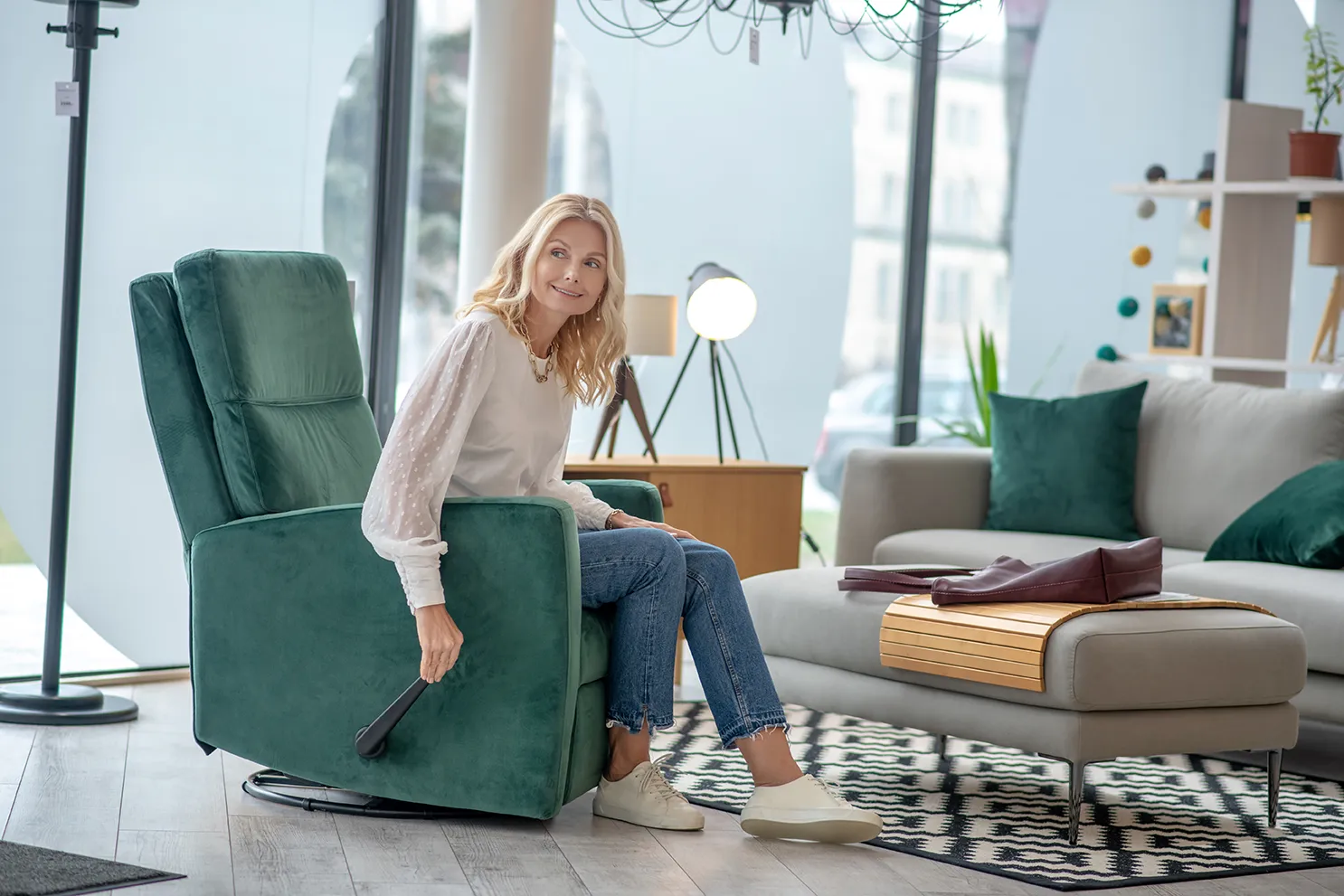
At Accessible Homes, we believe that accessibility is more than just a feature—it’s a necessity. Whether it’s providing independence for people with disabilities, enhancing safety for elderly residents, or simply ensuring that everyone can use and enjoy their living spaces comfortably, accessibility is fundamental to creating inclusive, welcoming homes. Here’s why accessibility matters, and why it should be a priority for every home design.
1. Empowering Independence
One of the most important aspects of accessible home design is the ability to empower individuals to live independently. For people with mobility challenges, sensory impairments, or other disabilities, simple everyday tasks can be difficult in a home that isn’t designed with accessibility in mind.
Features like wider doorways, adjustable countertops, and zero-threshold showers give residents the freedom to move around their home comfortably and safely. Accessible kitchens allow people to cook meals, and accessible bathrooms ensure privacy and dignity. These spaces are not just functional—they are essential to a person’s sense of independence and self-reliance.
2. Enhancing Safety
Homes that are designed with accessibility features are safer for everyone. For older adults, falls are a major risk in non-accessible environments. Grab bars, non-slip flooring, and barrier-free showers can significantly reduce the risk of accidents. Accessible design also benefits families with young children, providing a safer environment with features like step-free entrances and smart lighting.
Safety is not just about preventing accidents—it’s about ensuring that residents feel secure and confident in their ability to navigate their own home. Accessible features make everyday activities easier and less stressful, contributing to a greater overall sense of well-being.
3. Creating Inclusive Spaces
Accessibility is about inclusion. It ensures that everyone, regardless of ability, can participate fully in family life, social gatherings, and day-to-day activities. Accessible homes allow people with disabilities to have visitors and friends over without concern about navigating stairs or narrow spaces.
Inclusive design also benefits multigenerational households, where different members of the family may have varied needs. A well-designed, accessible home can accommodate everyone, from grandparents to small children, without the need for temporary adaptations or awkward adjustments.
4. Future-Proofing Your Home
Accessible design is not just about meeting immediate needs—it’s about planning for the future. As we age, our mobility and physical abilities may change, and a home that is designed with accessibility in mind will continue to meet those needs over time. By incorporating accessible features now, homeowners can avoid costly renovations later and create a space that grows with them.
Moreover, with an increasing emphasis on universal design, homes that are accessible have a broader market appeal. Whether you’re building a new home or retrofitting an existing one, accessibility adds value, making the home suitable for a wider range of potential buyers or tenants in the future.
5. Improving Quality of Life
At its core, accessible design is about improving quality of life. By reducing physical barriers and making homes more user-friendly, accessible design promotes independence, safety, and well-being. It fosters a sense of pride and dignity for residents who can fully engage with their space, whether it’s preparing meals in the kitchen, enjoying a shower, or simply moving from room to room with ease.
Accessible homes are designed to be functional, but they are also designed to be beautiful and comfortable, reflecting the personality and lifestyle of their residents. At Accessible Homes, we believe that everyone deserves a space where they feel at home, regardless of their physical abilities.
Conclusion: Accessibility is Essential
Accessibility isn’t just about meeting the needs of a few—it’s about ensuring that homes are designed for everyone. At Accessible Homes, we are committed to creating spaces that are not only practical but also stylish, inclusive, and empowering. We believe that accessibility matters because it enriches lives, fosters independence, and makes homes safer and more welcoming for all.
Whether you’re looking to adapt your home for a loved one, or you want to ensure your own home is accessible for the future, we’re here to help. Contact Accessible Homes today to find out how we can work together to create a home that truly meets your needs.